
In 2012, The Universal House of Justice, the International Headquarters of the Bahá’i Faith, announced to the Bahá’i world that Papua New Guinea and the Democratic Republic of Congo would be the first nations to erect National Houses of Worship (Temple) to join the Continental Houses of Worship in Chicago – North America, Panama – Central America, Santiago – South America, Kampala – Africa, Delhi – India, Sydney – Australia, Upolu – Samoa and Frankfurt – Germany.
“It shall become a centre wherein the spirits are gladdened and the hearts are attracted to the Abhá (Spiritual) Kingdom”.
- Bahá'i Holy Writings
 The House of Worship forms an integral part of the Institution of the Mashriqu’l-Adhkár (“Dawning Place of the mention of God”). This institution, which “…weds two essential, inseparable aspects of Bahá’í life: worship and service” symbolises the teachings of the new Day of God. It is a collective centre of society to promote cordial affection and stands as a universal place of worship open to all the inhabitants of a locality, irrespective of their religious affiliation, background, ethnicity, and gender. It is a haven for the deepest contemplation of the spiritual realities and foundational questions of life, including individual and collective responsibility for the betterment of society.
In the future, the House of Worship will be surrounded by other buildings dedicated to the service of humanity, such as a school, a hospital, a home for the elderly etc. This is an example of how worship and service are at the centre of our lives as we go out to serve humanity.
Described by ‘Abdu’l-Bahá, the son of Baha’u’llah as “one of the most vital institutions of the world”, the Mashriqu’l-Adhkár will support the social and economic progress of the community and be a source of shelter, relief and assistance to those in need.
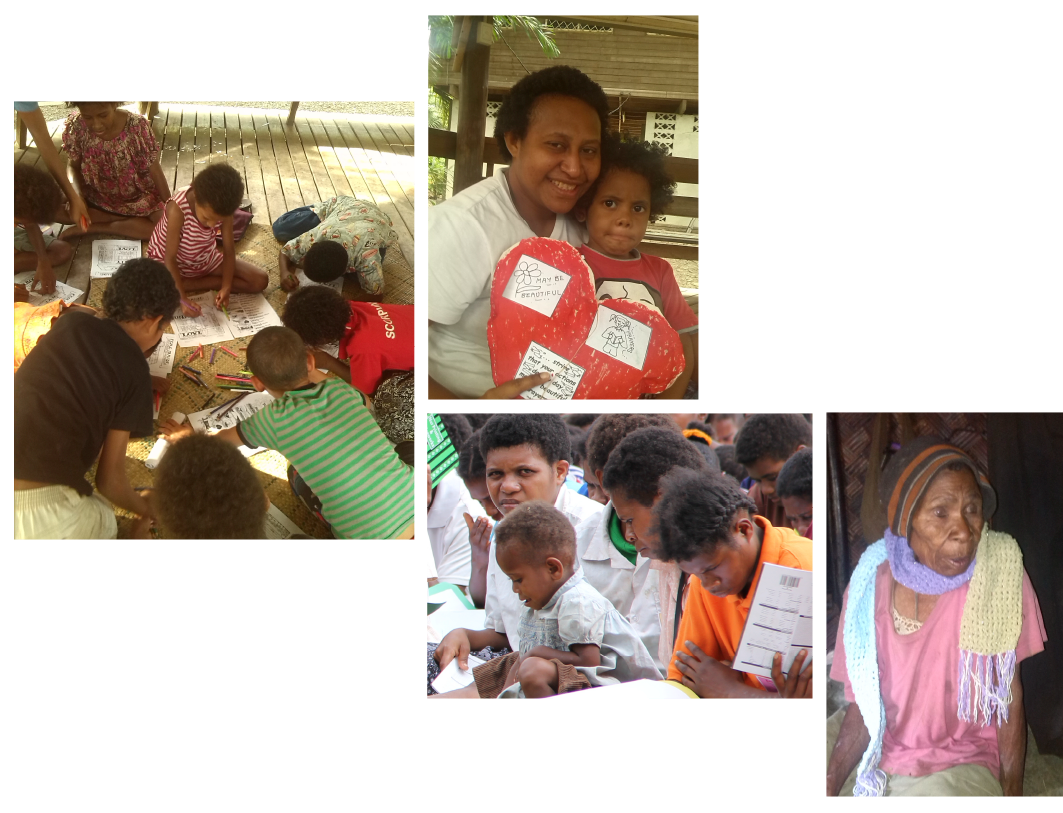
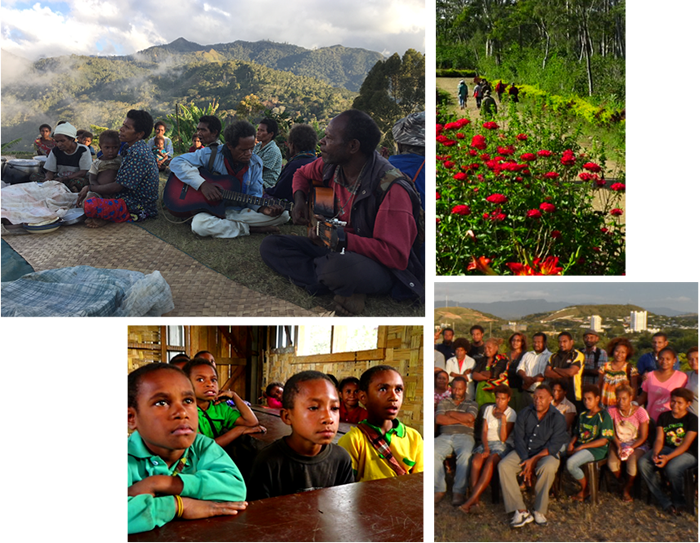
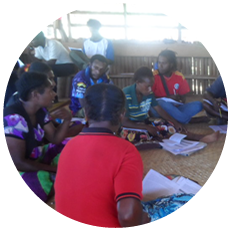
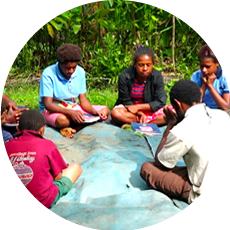
The union of these two is also reflected in the coherence that exists among the community-building features which Bahá’is the world over are implementing, particularly the progression of a devotional spirit that finds expression in gatherings for prayer and an educational process that builds capacity for service to humanity such as conducting classes for children, animating groups of older children between the ages of 12 and 14 (known as juniour youth) and study circles for youth and adults.
The correlation of worship and service is especially pronounced in those areas around the world where Bahá’í communities have significantly grown in size and vitality, and where engagement in social action is apparent. Some of these have been designated as sites for the dissemination of learning so as to nurture the friends’ ability to advance the junior youth spiritual empowerment programme in associated regions. The capacity to sustain this programme, also fuels the development of study circles for youth and adults and children’s classes.
The Bahá’í Community offers the National House of Worship as a gift to the people of Papua New Guinea in line with our belief in the oneness of God, the oneness of His Messengers and the oneness of humanity.